What is EMS?
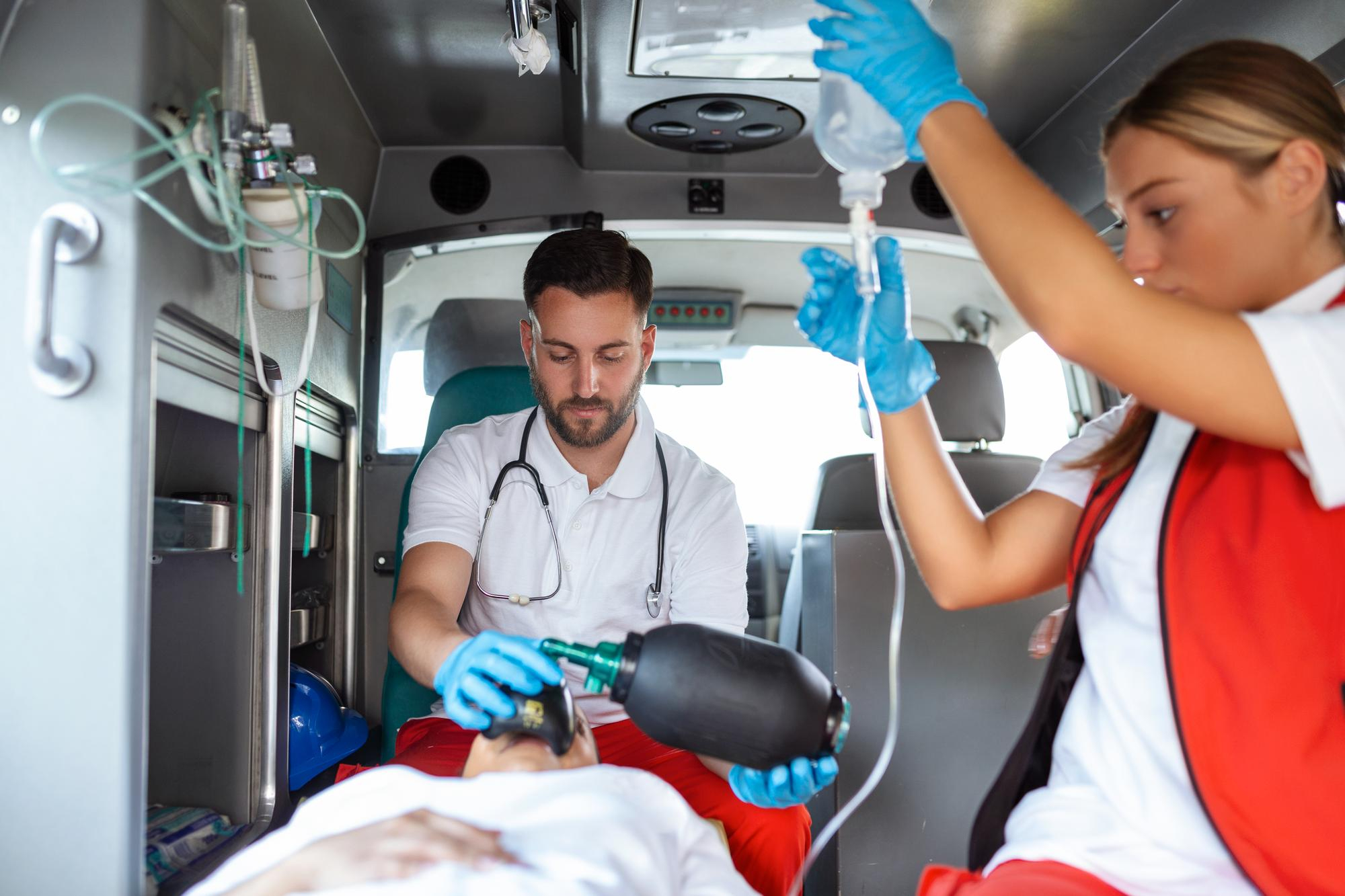
Emergency Medical Services (EMS) is a critical system that delivers rapid, pre-hospital care through expert clinicians, ensuring lifesaving support in urgent situations.
Emergency Medical Services (EMS) is the system that comes to your aid in an emergency. It’s made up of highly trained clinicians who provide urgent care before a patient even reaches the hospital.
But EMS is much more than the first responder at the scene. Clinicians not only treat emergencies, they also identify health crises in the community, support disaster response, and even provide ongoing care through community health programs.
Most people recognize EMS by its ambulances, helicopters, and paramedics rushing to help. However, EMS is not just a ride to the hospital—it’s a coordinated system of people and agencies working together to deliver life-saving care in every kind of situation, every day.
EMS works hand-in-hand with hospitals, public health, police, and fire services. Whether it’s an accident, a natural disaster, or a sudden illness, EMS clinicians provide essential care while collaborating with other professionals to keep communities safe.
Beyond emergencies, EMS also supports patients at home through Community Paramedicine (CP) or Mobile Integrated Healthcare (MIH). In this model, paramedics make scheduled visits, especially for patients who lack regular access to healthcare. This reduces unnecessary emergency calls and helps people live healthier lives.
EMS teams also play a vital role in mental health and behavioral health crises. By working with mental health experts—and sometimes law enforcement—they provide compassionate, high-quality care to individuals in crisis, ensuring timely support when it’s needed most.